Sewer Pipes Restored From the Inside
CIPP Lining for Aging or Deteriorating Pipes in Commercial Buildings with High-Use Plumbing Systems!
Aging sewer pipes in commercial buildings develop cracks, joint failures, and internal corrosion that cause recurring backups and slow drainage. Cured-in-place pipe lining restores these damaged lines from the inside without removing the existing pipe or excavating the property. Ace Of Trades Plumbing uses CIPP lining technology in Henderson to create a seamless, durable pipe within the deteriorating line, extending its functional life by decades while avoiding the cost and disruption of full pipe replacement.
The process begins with thorough camera inspection and pipe cleaning to remove debris and buildup. A flexible liner saturated with epoxy resin is then inserted through an access point, inflated to conform to the interior pipe walls, and cured using heat or UV light until it hardens into a rigid, watertight structure. This new inner pipe eliminates existing cracks, seals separated joints, and prevents future root intrusion without requiring trenches or surface removal.
Arrange a camera inspection to evaluate whether your commercial sewer system is a candidate for CIPP restoration.
Why CIPP Lining Works for Long-Term Rehabilitation
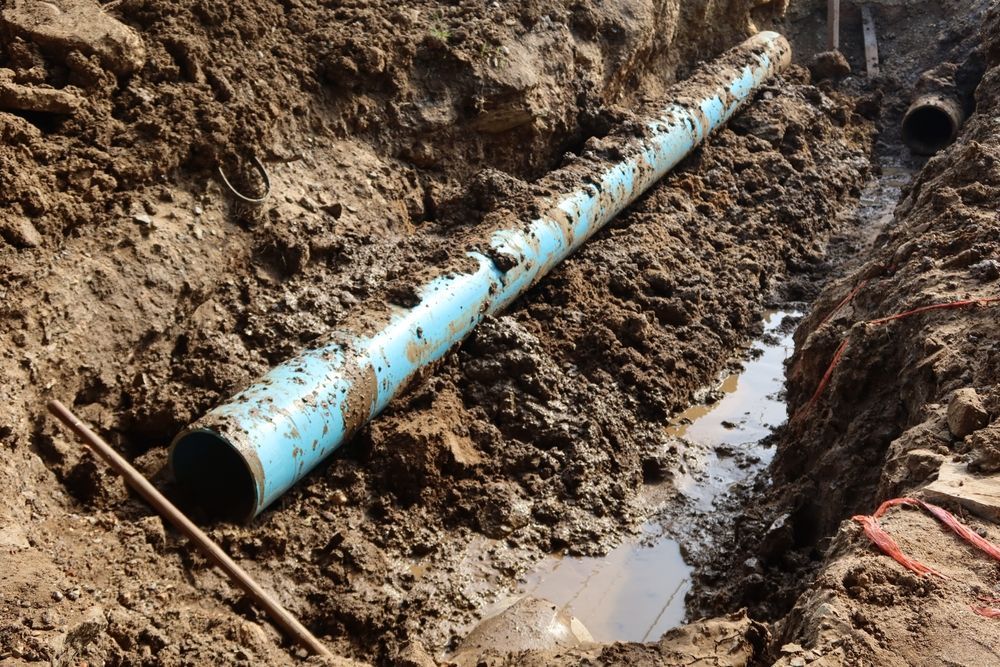
Cured-in-place pipe lining provides a seamless, smooth interior surface that not only restores the full flow capacity of pipes with considerable internal damage but also enhances their performance. The epoxy resin forms a direct bond with the existing pipe, creating a structural layer that offers superior resistance to corrosion and root intrusion compared to aging materials like clay, cast iron, or concrete. Once cured, this liner integrates permanently into the system, typically lasting over 50 years.
Following installation, drainage operates smoothly without the slow discharge or recurring clogs indicative of deteriorating pipes. Properties equipped with CIPP-lined sewer systems are free from the backups caused by separated joints or root intrusion. The process generally spans one to three days, depending on the diameter and length of the pipe, allowing most commercial operations to continue with minimal disruptions compared to the weeks often required for excavation and complete pipe replacement.
CIPP lining is particularly economical for pipes exhibiting extensive interior damage while retaining structural alignment. However, if a pipe has collapsed or has been significantly displaced, partial excavation may be necessary to restore the correct grade prior to lining. This method is compatible with various pipe materials and diameters commonly encountered in commercial plumbing systems.
Common Questions About This Service
Property managers and business owners often ask about the process and whether it suits their building's plumbing infrastructure.
What does cured-in-place pipe lining actually involve?
The existing pipe is cleaned using high-pressure water jetting to remove roots, scale, and debris. A resin-saturated liner is pulled or inverted into the pipe through an access point, then inflated with air or water pressure to conform to the pipe walls. Heat or UV light cures the resin, hardening it into a rigid, seamless pipe within the original line.
How long does the CIPP liner last once installed?
The cured epoxy liner typically lasts 50 years or more, often outlasting the building's remaining service life. The material resists corrosion, root intrusion, and the chemical exposure that degrades traditional pipe materials, making it a permanent rehabilitation solution rather than a temporary repair.
Can CIPP lining be used on pipes that are already cracked or leaking?
Yes, the liner seals existing cracks and separated joints by creating a continuous interior surface that eliminates all previous failure points. The resin bonds to the host pipe and cures into a watertight structure that prevents further leakage and stops groundwater infiltration.
Does CIPP lining work in Henderson's high-temperature conditions?
The curing process is controlled using calibrated heat or UV equipment, so external temperatures do not affect the installation quality. Henderson's dry climate actually reduces the risk of groundwater intrusion during preparation, which can complicate lining installations in wetter regions.
What size pipes can be rehabilitated using CIPP technology?
CIPP lining is effective for pipes ranging from four inches to over 60 inches in diameter, covering most commercial sewer and drain line applications. Larger diameter pipes require specialized equipment and longer curing times, but the process remains far less disruptive than replacing the line through excavation.
Ace Of Trades Plumbing provides CIPP lining as a cost-effective alternative to full sewer line replacement, particularly for commercial properties where excavation would disrupt business operations or require expensive surface restoration. Schedule a video inspection to determine the current condition of your underground plumbing and whether cured-in-place rehabilitation is the best approach for your building.