Drainage Systems That Actually Flow
Drain Line Repair for Broken Pipes that are Causing Backups, Slow Drainage and Recurring Clogs!
Root intrusion cracks clay or cast iron drain lines at the joints, filling the pipe with hair-like tendrils that snag debris and form total blockages within months, while corrosion eats through the bottom of horizontal runs where sulfuric acid from bacterial decomposition concentrates in standing wastewater. When clearing a clog provides only temporary relief and backups return within days or weeks, the drain line itself has failed structurally and needs repair rather than repeated snaking. Ace Of Trades Plumbing handles drain line repair in Henderson for residential and commercial systems where damaged pipes prevent proper flow and threaten sanitary conditions in kitchens, restrooms, and utility areas.
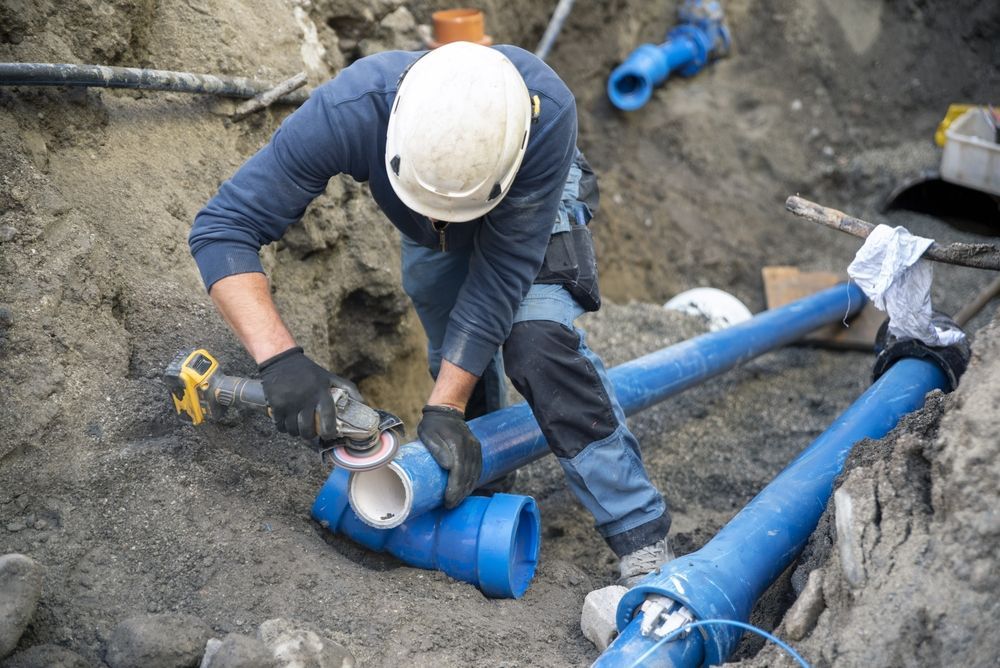
Repair begins with video inspection that feeds a camera through cleanouts or drain openings to document the pipe's interior condition, identifying cracks, offsets, bellies where settling created low spots that trap solids, and the exact footage where roots penetrated or corrosion perforated the line. Depending on damage severity, technicians either line the interior with epoxy coating that seals cracks and root entry points, replace the damaged section through targeted excavation, or use trenchless methods that pull a new pipe through the old casing without digging up entire yards or tearing through building slabs.
Request an inspection if the same drain clogs repeatedly or multiple fixtures back up simultaneously.
Why Proper Repair Eliminates Recurring Problems
Replacing a failed section removes the structural weakness that allowed roots to enter or corrosion to penetrate, while epoxy lining creates a smooth, jointless interior surface that resists future root intrusion and eliminates the rough texture where grease and solids previously accumulated. In commercial kitchens or multi-tenant buildings, properly repaired drain lines restore full flow capacity and prevent the sewage backups that force closures, violate health codes, and damage flooring or equipment.
After repair, drains empty quickly without gurgling or slow vortexing, backups stop recurring, and you no longer need emergency cleanings every few months when the same spot clogs again. The system handles peak loads during busy service periods or high-occupancy times without hesitation.
Repair scope depends entirely on what the camera inspection reveals—a single cracked joint may need only a ten-foot section replaced, while extensive corrosion throughout a main line could require full replacement from the building to the municipal connection. Trenchless methods work only when the existing pipe hasn't fully collapsed or shifted out of alignment.
Answers to Frequent Service Questions
Commercial property managers and homeowners in Henderson often need clarity on how drain line repair differs from routine cleaning and what the process involves.
What causes drain lines to fail structurally rather than just clog?
Clay and cast iron pipes crack from ground settling, root pressure, or age-related brittleness, while corrosion from acidic wastewater eats through metal pipes at the bottom where moisture sits longest, creating holes that leak sewage into surrounding soil and allow dirt to wash into the pipe, forming clogs that snaking cannot clear.
How does video inspection determine whether repair is needed?
A waterproof camera travels through the drain line recording footage that shows crack width, root penetration depth, corrosion holes, and pipe offset angles, providing visual proof of damage and precise measurements so repair crews know exactly what length to replace or line.
When should a property owner choose lining versus replacement?
Lining works when the pipe structure remains intact but has cracks or root entry points, creating a new interior surface without excavation, while collapsed sections, severe offsets, or pipes crushed by soil pressure require full replacement since lining cannot restore structural integrity to a pipe that has already failed mechanically.
How long does drain line repair take in a commercial setting?
Single-section repairs completed through trenchless methods or limited excavation often finish within a day, while extensive main line replacements requiring trenching or slab penetration may take two to three days depending on access difficulty and the need to maintain partial drainage during phased replacement.
What prevents the repaired line from failing again?
New PVC or ABS pipe resists root penetration and corrosion indefinitely when properly installed with correct slope and bedding, while epoxy lining seals existing entry points and creates a smooth surface that discourages buildup, both eliminating the original failure mechanism that caused recurring problems.
Ace Of Trades Plumbing provides camera inspection and repair estimates based on actual pipe condition rather than guesswork. Reach out at (702) 661-9665 to evaluate drain lines that no longer function reliably despite repeated cleaning attempts.